


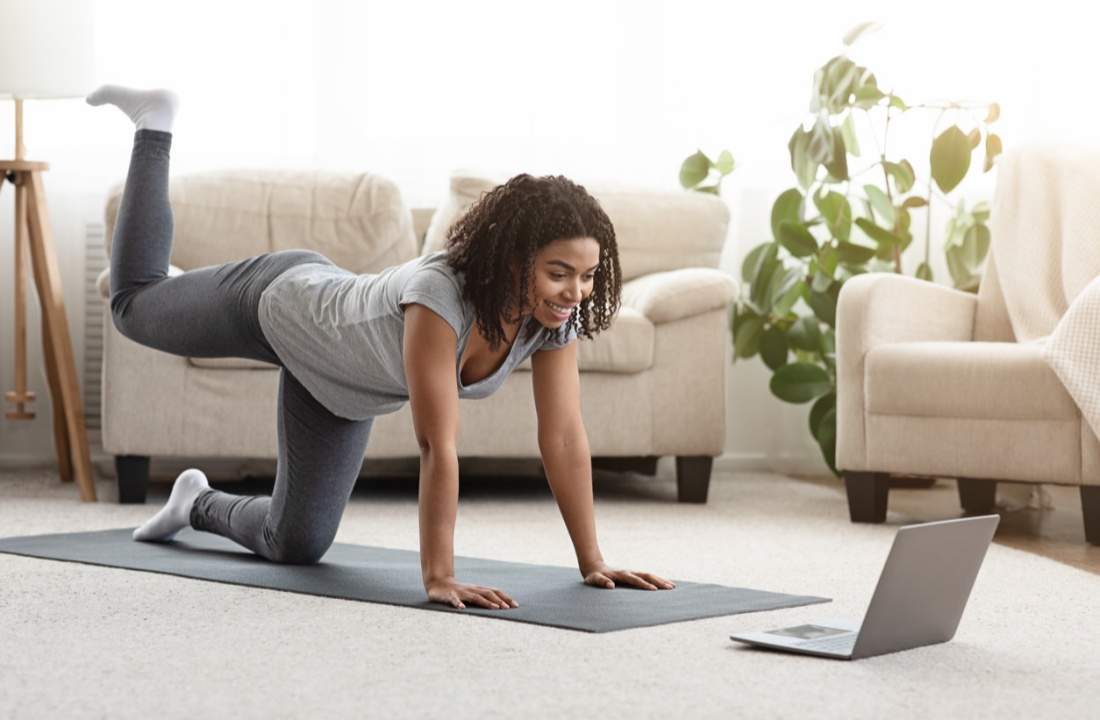
Engaging in regular exercise is key. Incorporating strength training into your routine can significantly benefit your hips. Exercises like squats, lunges, and step-ups target the muscles around your hips, providing the stability and strength needed for daily movements. Using resistance bands can add a new dimension to your workouts, making them more challenging and effective. Aim for a balanced routine that includes both strength training and cardiovascular activities.
Flexibility is another crucial aspect of hip health. Stretching regularly can improve your range of motion and reduce stiffness. Simple stretches, such as the hip flexor stretch or seated butterfly stretch, can make a noticeable difference in how your hips feel. Yoga is an excellent way to combine flexibility and strength, offering poses that promote hip opening and stability. Practicing yoga a few times a week can enhance your overall hip function and well-being.
Maintaining a healthy weight can also play a significant role in hip joint health. Extra weight adds pressure to your hips, which may lead to discomfort and potential injury. Eating a balanced diet filled with whole foods, such as fruits, vegetables, lean proteins, and whole grains, supports healthy weight management. Staying hydrated is just as important, as proper hydration helps maintain joint lubrication and overall health.
Being mindful of your posture and body mechanics throughout the day is essential for protecting your hips. Paying attention to how you sit, stand, and lift can prevent unnecessary strain. Using ergonomic furniture and practicing good posture can help reduce discomfort. When lifting heavy items, bending at the knees instead of the waist protects your hips from injury and strain.
Incorporating low-impact activities into your routine can benefit your hip joints as well. Swimming, cycling, and walking provide cardiovascular benefits while being gentle on your hips. These activities help maintain mobility and keep your joints healthy without the stress that comes from high-impact exercises.
Regular check-ups with a healthcare professional can provide insights into your hip health. A physical therapist can offer personalized exercises and techniques tailored to your specific needs. They can help you strengthen your hips while addressing any existing issues. Proper guidance ensures you’re using the right form during exercises, maximizing their effectiveness.
Managing stress contributes to overall joint health. Chronic stress can lead to muscle tension and discomfort, affecting how your hips feel. Engaging in relaxation techniques, such as meditation or deep breathing exercises, can help alleviate stress and promote a sense of calm. Taking time for yourself and finding activities you enjoy can also improve your mental well-being.
Focusing on these aspects can lead to stronger, healthier hip joints. By incorporating exercise, flexibility work, healthy eating, and mindfulness into your daily routine, you can enhance your hip health and enjoy a more active lifestyle. These practices pave the way for better mobility and greater enjoyment in everyday activities.