

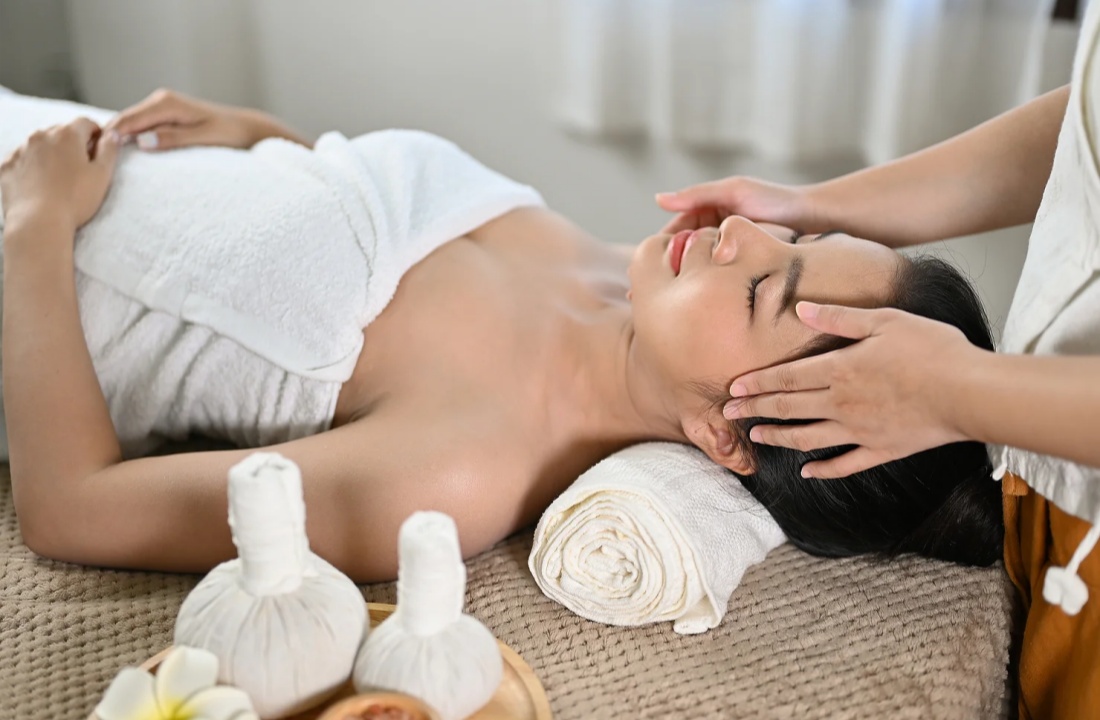
Finding the right type of massage is essential. There are various styles, such as Swedish, deep tissue, and aromatherapy. Each offers unique benefits. Swedish massage is known for its gentle strokes and is great for relaxation. Deep tissue massage focuses on deeper layers of muscle and is particularly effective for chronic pain. Aromatherapy adds essential oils to the mix, creating a soothing atmosphere that can enhance the relaxation experience.
Creating a calming environment at home can also make a significant difference. Setting up a quiet space with soft lighting, comfortable seating, and soothing music helps establish a relaxing atmosphere. Using essential oils, such as lavender or eucalyptus, can further enhance the experience. These scents have been shown to promote relaxation and reduce anxiety, making the massage even more enjoyable.
Self-massage is another effective way to relieve tension without needing to visit a spa. Simple techniques can be done at home, such as using a tennis ball to target tight spots in the back or shoulders. Rolling the ball against a wall can help release knots and ease discomfort. Hand and foot massages can also be done easily, providing immediate relief and relaxation.
Incorporating massage into a regular routine can yield long-term benefits. Setting aside time each week for a massage, whether professional or self-administered, creates a consistent practice that promotes relaxation. Many people find that having this time scheduled helps them manage stress more effectively throughout the week.
Mindfulness during massage can enhance relaxation. Focusing on the sensations and breathing deeply allows for a deeper connection to the body. This practice can help clear the mind and reduce stress levels. Paying attention to how the body feels during the massage can also guide the practitioner to focus on areas that need more attention.
Hydration plays a crucial role in the effectiveness of massage. Drinking plenty of water before and after a session helps flush out toxins released during the massage. Staying hydrated supports muscle recovery and overall health, making the relaxation experience even more beneficial.
Exploring different techniques can also enhance the massage experience. Incorporating gentle stretches or yoga poses before or after a massage can help improve flexibility and relaxation. This combination allows for a more holistic approach to stress relief, addressing both physical and mental aspects.
Listening to the body is key when it comes to massage. Everyone has different preferences and needs, so it’s important to communicate these to the therapist. Whether it’s adjusting pressure or focusing on specific areas, open communication ensures a more satisfying experience.
Making massage a regular part of life can lead to significant improvements in overall well-being. By finding the right techniques, creating a calming environment, and incorporating mindfulness, individuals can reap the benefits of relaxation and stress relief. Embracing these practices can lead to a more balanced and peaceful state of mind.