

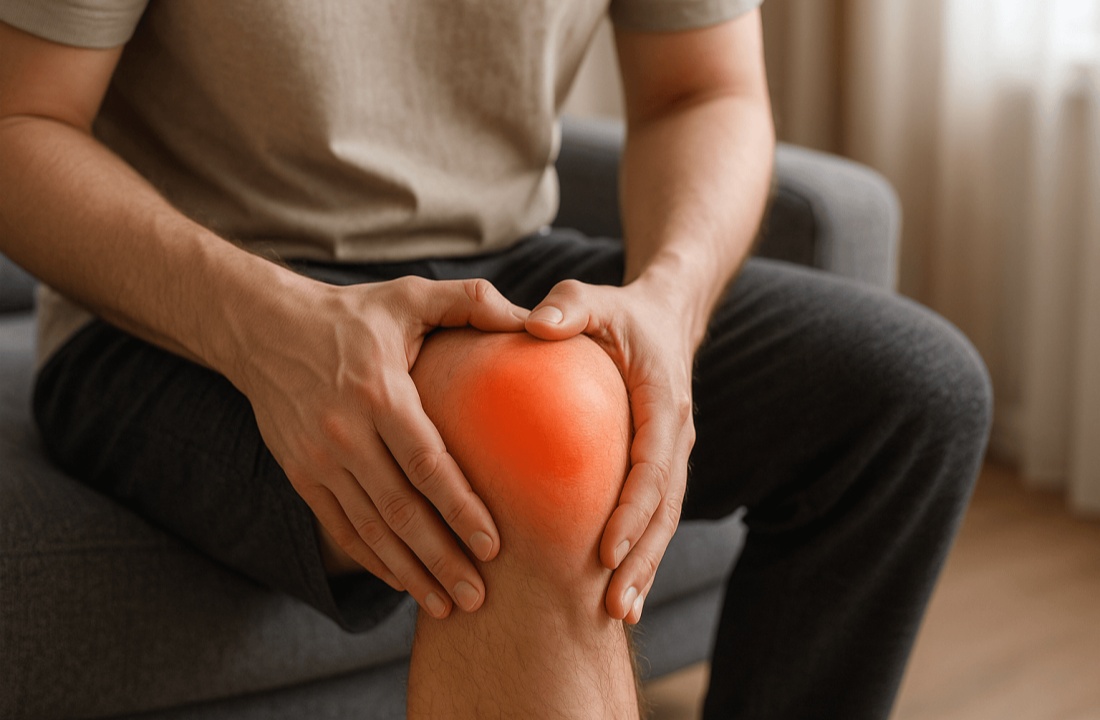
One of the primary reasons for joint swelling is inflammation. This can result from various factors, including injury, arthritis, or overuse. When joints become inflamed, they often feel tender and painful, making even simple movements challenging. Finding effective ways to reduce swelling can help alleviate discomfort and restore normal function.
Ice therapy is one of the simplest and most effective methods for reducing joint swelling. Applying ice packs to the affected area can constrict blood vessels, decreasing blood flow and minimizing swelling. This technique is particularly useful immediately after an injury or during flare-ups of chronic conditions. Just wrapping ice in a cloth and applying it for about 15 to 20 minutes can make a noticeable difference.
Another helpful approach is elevating the swollen joint. Keeping the joint raised above heart level allows gravity to assist in reducing fluid buildup. This can be particularly beneficial for knees or ankles. Finding a comfortable position, such as resting on a couch with a pillow under the leg, can provide relief and promote healing.
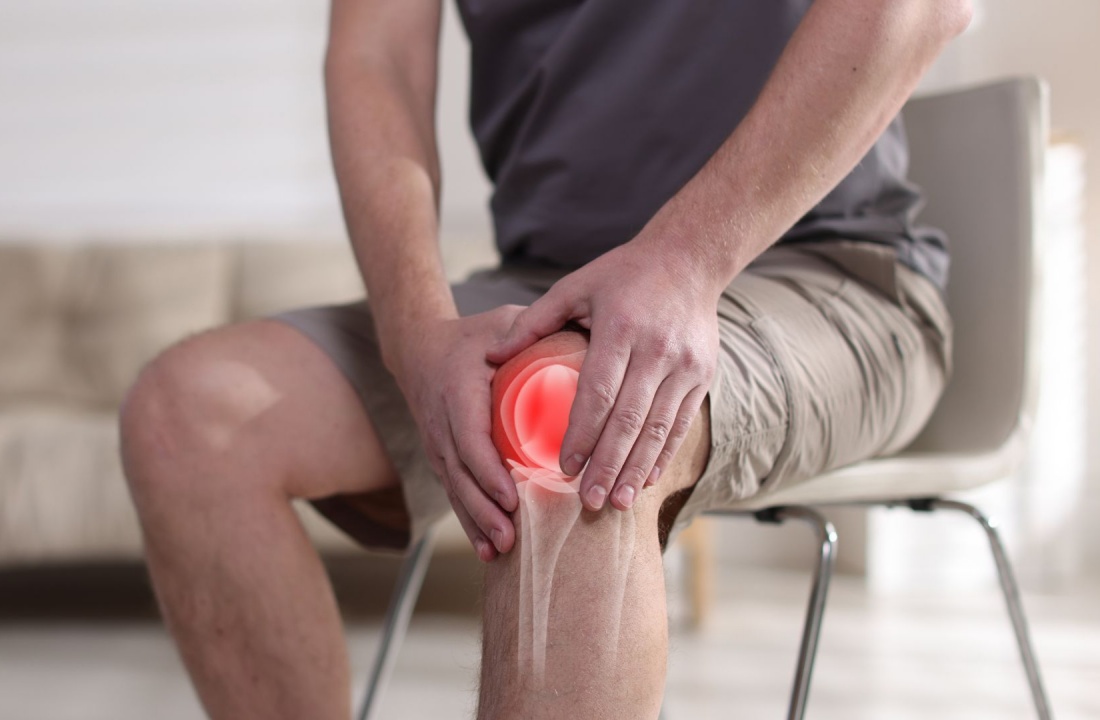
Staying active is also crucial for joint health. Engaging in low-impact exercises, such as swimming or cycling, can help maintain joint mobility without putting excessive strain on them. Gentle stretching can also improve flexibility and reduce stiffness. Regular movement encourages circulation, which helps flush out excess fluid and reduces swelling over time.
Nutrition plays a significant role in managing joint swelling as well. Incorporating anti-inflammatory foods into the diet can be beneficial. Foods rich in omega-3 fatty acids, such as salmon, walnuts, and flaxseeds, have been shown to help reduce inflammation. Additionally, fruits and vegetables packed with antioxidants can support overall joint health. Staying hydrated is equally important, as proper hydration helps maintain joint lubrication.
Supplements can also be considered for those looking to support joint health. Glucosamine and chondroitin are popular choices that some find beneficial for reducing swelling and improving joint function. However, consulting with a healthcare professional before starting any new supplement is always a wise move.
Mindfulness and stress management techniques can also contribute to reducing joint swelling. Stress can exacerbate inflammation, so practices like yoga, meditation, or deep-breathing exercises can promote relaxation and overall well-being. Taking time to unwind and focus on mental health can have a positive impact on physical health.
Wearing supportive footwear can make a significant difference, especially for those with swollen joints in the lower body. Proper shoes provide stability and cushioning, reducing pressure on the joints. Custom orthotics may also be beneficial for those with specific foot or joint issues.
Finding the right balance between rest and activity is essential. While staying active is important, giving the joints time to recover is equally crucial. Listening to the body and adjusting activities based on how the joints feel can prevent further irritation and support healing.
Reducing joint swelling is a key factor in maintaining mobility and overall joint health. By incorporating ice therapy, elevation, gentle exercise, and a nutritious diet, individuals can effectively manage swelling and enhance their quality of life. Embracing these strategies leads to greater comfort and the ability to enjoy a more active lifestyle.