


A wagging tail often indicates excitement or joy. Picture the scene: you walk through the door after a long day, and your dog greets you with an enthusiastic tail wag. This is their way of expressing pure delight at your return. The speed and height of the wag can vary, with a fast, high wag usually signaling a happy, playful mood. It’s a delightful reminder of the unconditional love that dogs bring into our lives.
However, not all tail wags are created equal. The position of the tail can provide additional context. A tail held high and wagging vigorously suggests confidence and eagerness. On the other hand, a low wagging tail may indicate uncertainty or submission. By paying attention to the overall body language, including ear position and posture, you can get a clearer picture of how your dog is feeling.
Some dogs wag their tails when they are feeling anxious or threatened. A slow wag, especially when accompanied by a tense body, can signal discomfort. In these situations, it’s essential to approach your dog calmly and give them space. Understanding this aspect of tail wagging helps create a safe environment where your dog feels secure.
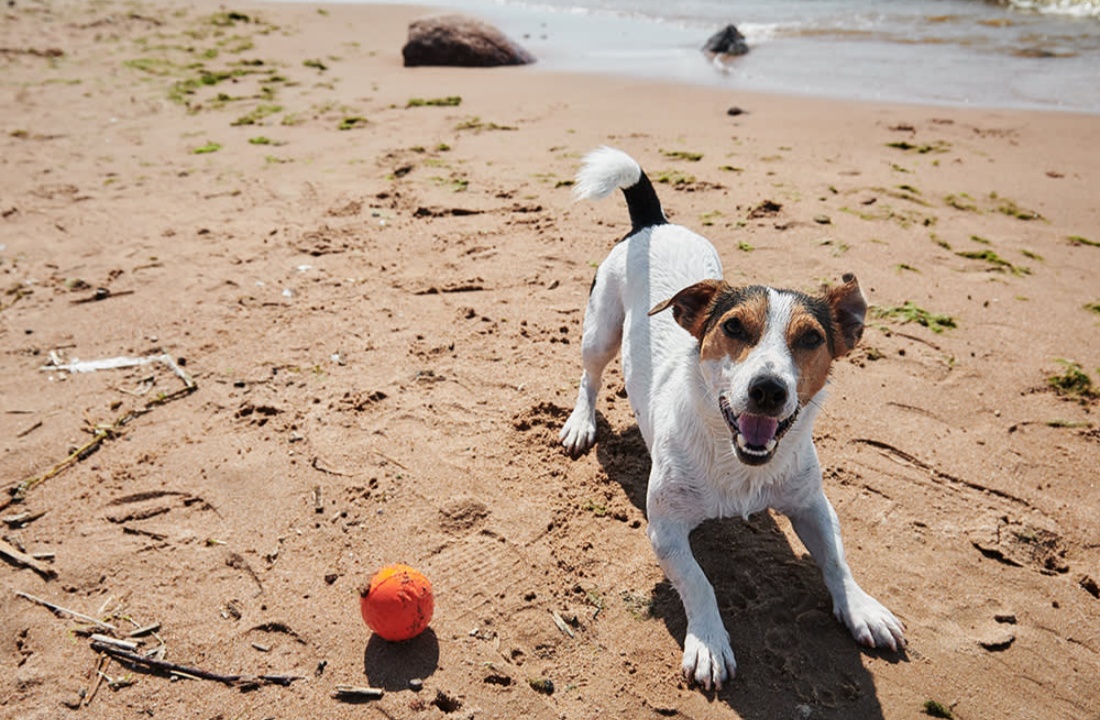
Socialization plays a significant role in how dogs communicate with each other. When meeting other dogs, a wagging tail often serves as a friendly greeting. However, it’s important to observe the other dog’s body language as well. Not every wagging tail means a friendly encounter. Some dogs may wag their tails while feeling defensive or aggressive, so being aware of the overall situation is crucial.
Training can also help your dog learn appropriate ways to communicate. Teaching commands like “sit” or “stay” can help manage excitement levels during greetings, making interactions smoother. This not only reinforces good behavior but also helps your dog feel more at ease in various situations.
Encouraging positive interactions with people and other dogs can enhance your dog’s social skills. Regular outings to dog parks, playdates, or training classes can help them learn how to express themselves confidently. The more experiences they have, the better they will become at reading social cues, both in themselves and in others.
Wagging tails are just one part of a dog’s complex communication system. Observing their body language in conjunction with the wagging can provide deeper insights into their feelings. Engaging with your dog in a way that respects their comfort levels fosters a stronger bond and leads to more enjoyable experiences together.
Being attuned to your dog’s tail wagging and the emotions behind it enriches your relationship. It opens the door to better understanding and communication, allowing for a deeper connection. Embracing the nuances of their body language creates a joyful environment where both you and your dog can thrive.