

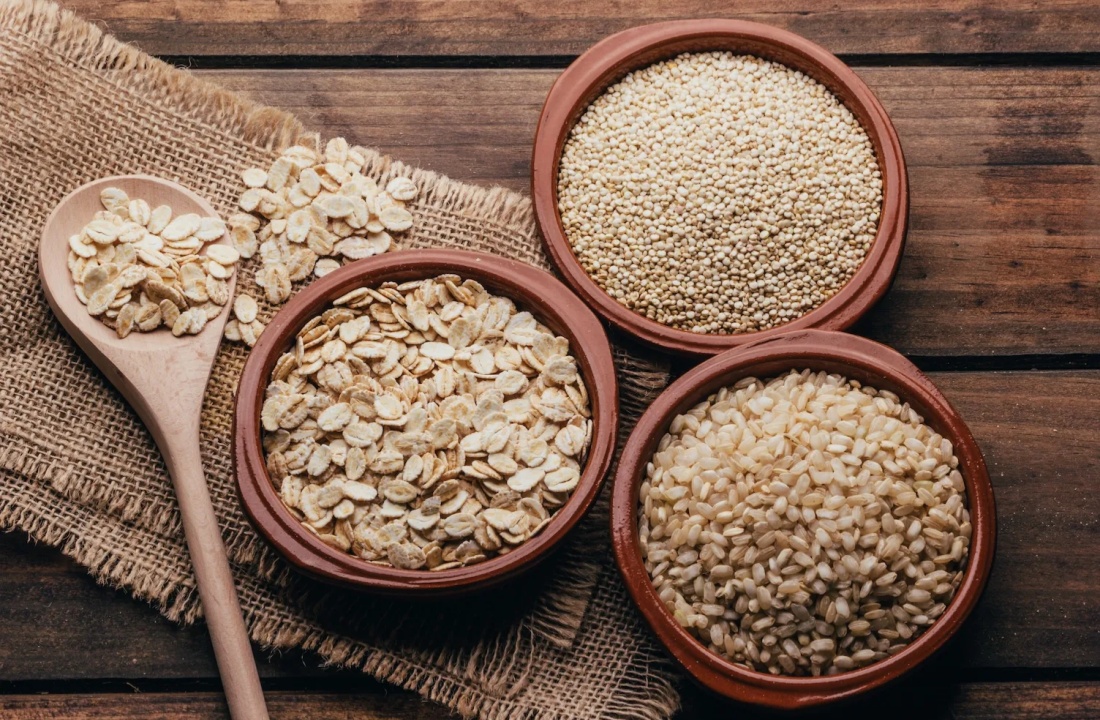
One of the standout features of whole grains is their high fiber content. Fiber plays a crucial role in digestive health, helping to keep the gut functioning smoothly. It also aids in maintaining a healthy weight by promoting feelings of fullness, which can prevent overeating. Foods like brown rice, quinoa, and whole wheat bread are excellent sources of fiber, making them great choices for meals and snacks.
In addition to fiber, whole grains are packed with essential nutrients. They are rich in B vitamins, iron, magnesium, and antioxidants. These nutrients contribute to energy production, brain health, and overall vitality. Incorporating a variety of whole grains can ensure a broad spectrum of nutrients. For example, oats are fantastic for breakfast, while barley can be a hearty addition to soups and stews.
Getting creative in the kitchen can make it easy to include whole grains in your diet. Starting the day with oatmeal topped with fruits and nuts is a simple yet satisfying option. For lunch, consider a quinoa salad loaded with vegetables and a light dressing. Dinner can feature whole grain pasta paired with a flavorful sauce and plenty of veggies. Snacks can also be wholesome; try whole grain crackers with hummus or a mix of nuts and seeds.
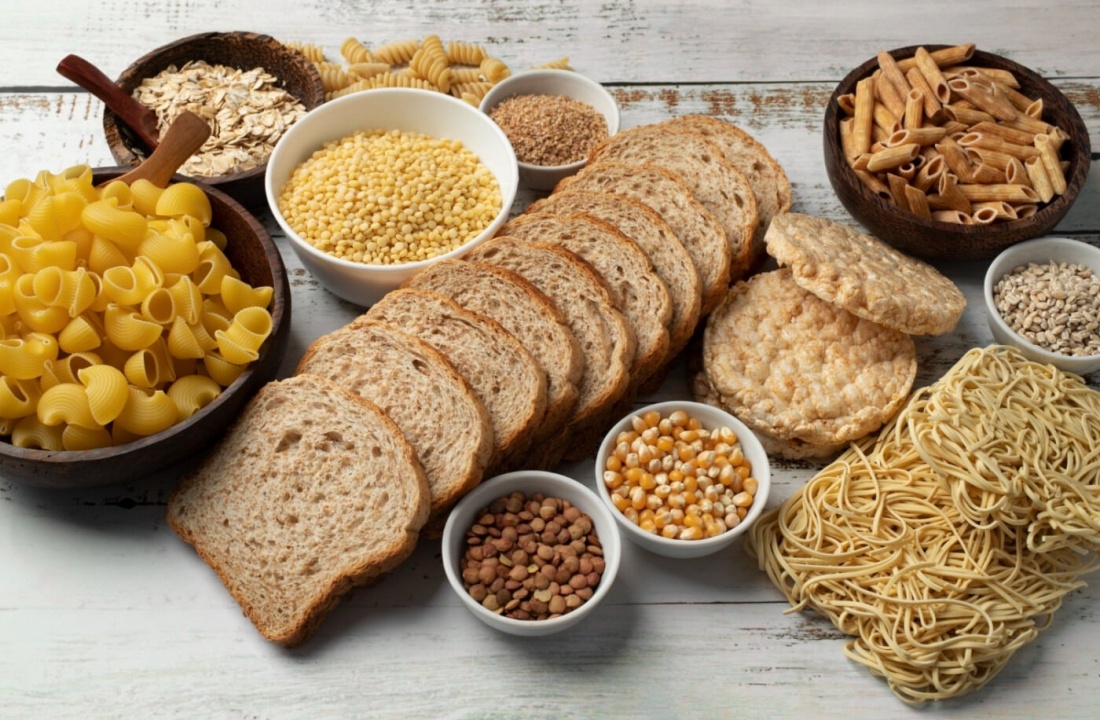
Another great aspect of whole grains is their versatility. They can be used in various cuisines, making it easy to experiment with different flavors and textures. Whole grain tortillas can be filled with your favorite ingredients for a nutritious wrap, while brown rice can serve as a base for stir-fries. The options are endless, allowing for creativity and variety in meals.
When shopping for whole grains, it’s essential to read labels carefully. Look for products that specifically state “100% whole grain” or “whole wheat” as the first ingredient. This ensures that you are getting the full benefits of whole grains rather than just a small amount mixed with refined grains. Many grocery stores now offer a wide selection of whole grain products, making it easier than ever to make healthier choices.
Incorporating more whole grains into your diet can also support heart health. Studies have shown that a diet high in whole grains can lower the risk of heart disease by improving cholesterol levels and reducing blood pressure. This makes whole grains not just a tasty option but a smart one for long-term health.
Making small changes can lead to significant improvements in your diet. Gradually swap out refined grains for whole grains in your meals. This simple adjustment can enhance both the nutritional value of your diet and your overall health. Whole grains can be a delicious journey toward better eating habits and a healthier lifestyle.